
If you were a model kit enthusiast in the 1970s and 80s, especially one with a taste for the futuristic and the fantastic, you knew the name. The boxes were vibrant, the artwork explosive, and the subjects were unlike anything else on the shelf. This was the world of Imai Model Co., a Japanese manufacturer that burned brightly, pioneered genres, and then vanished, leaving behind a legacy of iconic plastic and a profound sense of “what if?”
The Dawn of a Plastic Dream
Founded in 1958 by Kōichi Imai, the company began, like many of its contemporaries (Tamiya, Bandai, Hasegawa), producing standard fare: military aircraft, cars, and ships. But by the late 1960s, a shift began. Imai started licensing and producing kits tied to the burgeoning world of Japanese anime and live-action television, or tokusatsu. This move would define them.
The First Wave: The Anime & Tokusatsu Vanguard
Imai didn’t just dip a toe; they dove in headfirst. In an era when other manufacturers were cautious, Imai secured licenses for some of the most visually ambitious shows of the time:
-
Space Battleship Yamato (Star Blazers in the West): Imai’s intricate, multi-part kits of the iconic battleship were groundbreaking. They were among the first to offer a detailed model of an anime spacecraft, creating the blueprint for the entire “anime mecha model” genre.
-
Science Ninja Team Gatchaman (Battle of the Planets): Imai produced kits of the God Phoenix and other vehicles, capturing their sleek, bird-like designs in plastic.
-
Kamen Rider: Early helmets and vehicles from the legendary franchise.
-
Ultraman: Various monsters (kaiju) and the Science Patrol’s vehicles.
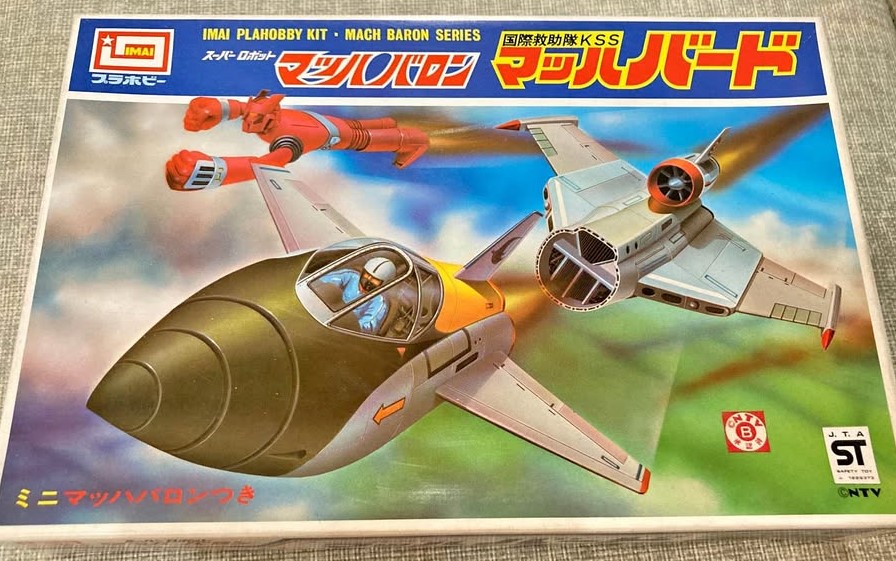
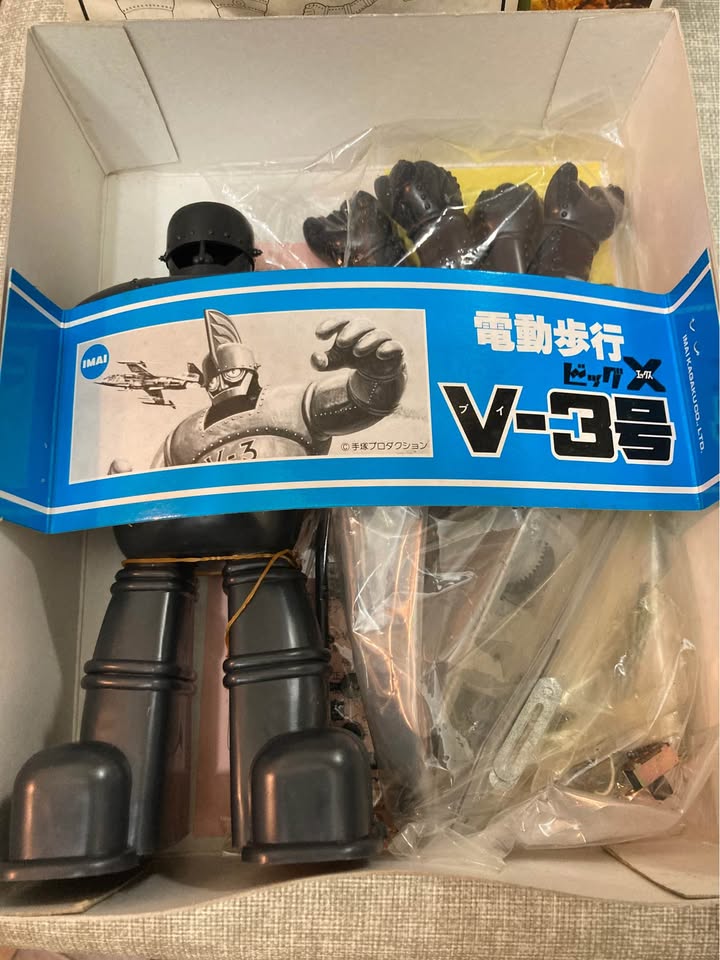
Imai’s kits from this period had a distinct charm. They were often motorized or featured battery-operated lights and sounds—gimmicks that made them leap off the shelf. The box art was legendary: dynamic, painted scenes that promised epic adventure, often far more dramatic than the simple sprues of plastic inside.
The Pinnacle: When Imai Was Sci-Fi Modeling
The late 1970s and early 1980s marked Imai’s golden age. They became the source for kits of properties that major American companies like AMT or Revell wouldn’t touch.
-
Star Trek: The Motion Picture: While AMT had the original TV series license, Imai produced a stunning line of kits for the 1979 film, including the U.S.S. Enterprise refit and the Klingon Battle Cruiser. Their engineering and detail were often considered superior.
-
Battlestar Galactica (Original Series): Imai’s line of Colonial Vipers, Cylon Raiders, and the massive Galactica itself were the only game in town for fans. These kits are now holy grails for collectors.
-
Buck Rogers in the 25th Century: Imai captured the sleek, Art Deco-inspired Thunderfighter and Draconian Marauder with flair.
For a generation of Western fans, an Imai box on the hobby shop shelf was a beacon. It meant your obscure sci-fi love was valid, was real, and could be built, painted, and displayed. They bridged the gap between Japanese and American pop culture in plastic.
The Cracks in the Hull: Challenges and Decline
So, what happened? Why did such an innovative company fade away?
-
The Licensing Labyrinth: Imai’s business was built on expensive, often complex licensing agreements for Western properties. As those licenses expired or became more costly, profitability shrank.
-
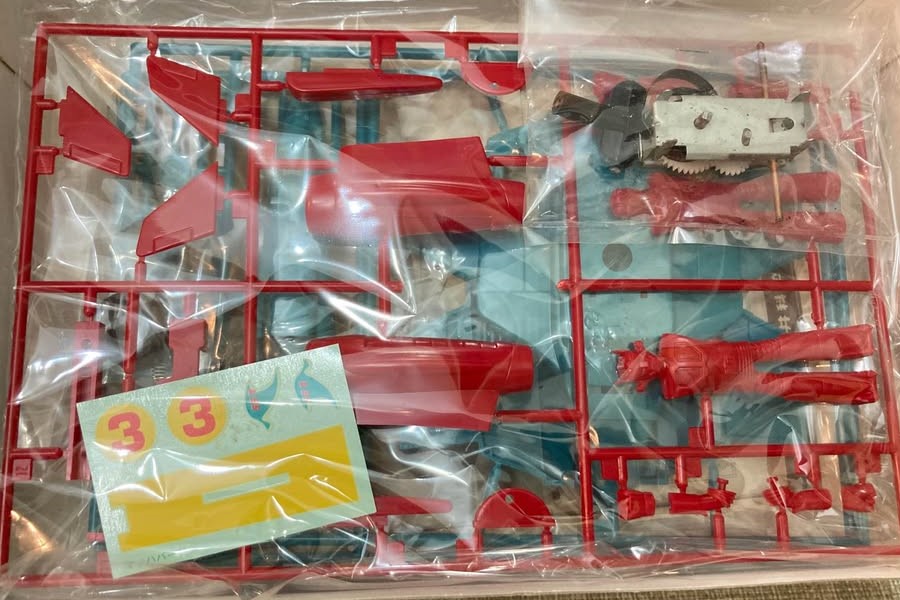
The Engineering Gap: While imaginative, Imai’s kits were often criticized by serious modelers for their simplified “toy-like” engineering. Compared to the emerging precision of Tamiya or the sophisticated multi-color molding of Bandai’s Gundam kits (which exploded in the 80s), Imai’s designs could feel dated. They were designed for fun and display, not contest-level detail.
-
The Bandai Juggernaut: Bandai, with its deeper pockets and vertical integration (owning the anime studios and the model division), began dominating the anime kit market. Bandai’s “Gunpla” (Gundam Plastic Model) kits were more accurate, better engineered, and cheaper to produce in-house.
-
Market Shifts: The model kit boom of the 70s began to wane by the late 80s, giving way to video games and pre-assembled action figures. Imai was caught in the squeeze.
The company struggled through the late 80s, merging with another struggling manufacturer, Aoshima, in 1990. While the Imai brand name appeared on boxes for a few more years (notably on a line of Star Trek: The Next Generation kits), it was essentially the end. By the mid-1990s, the Imai name had vanished, absorbed into Aoshima’s catalog.
The Legacy: Nostalgia and Rediscovery
Today, Imai is remembered with deep affection and collector’s frenzy.
-
The “Holy Grail” Effect: Sealed, vintage Imai kits of Battlestar Galactica, Yamato, or Star Trek command astronomical prices on eBay and at model shows. They are tangible pieces of childhood and fandom history.
-
The Pioneer Spirit: Imai is rightly credited as a pioneer. They proved there was a massive, hungry market for quality sci-fi and anime model kits. They paved the way for everyone who came after.
-
Nostalgic Re-releases: In a beautiful full-circle moment, Aoshima now regularly re-releases classic Imai molds under their “Vintage Series” line. Seeing that iconic box art reprinted—for the Yamato, the Galactica, or the Thunderfighter—sends shivers down the spines of older modelers and introduces these classics to a new generation.
Imai Model Co. was never the most polished or the most technically perfect manufacturer. But it was arguably the most passionate. They were the dream merchants, the company that looked at a flashing, buzzing spaceship on a TV screen and said, “You can build that. You can own that dream.” And for a glorious couple of decades, they made it true.
