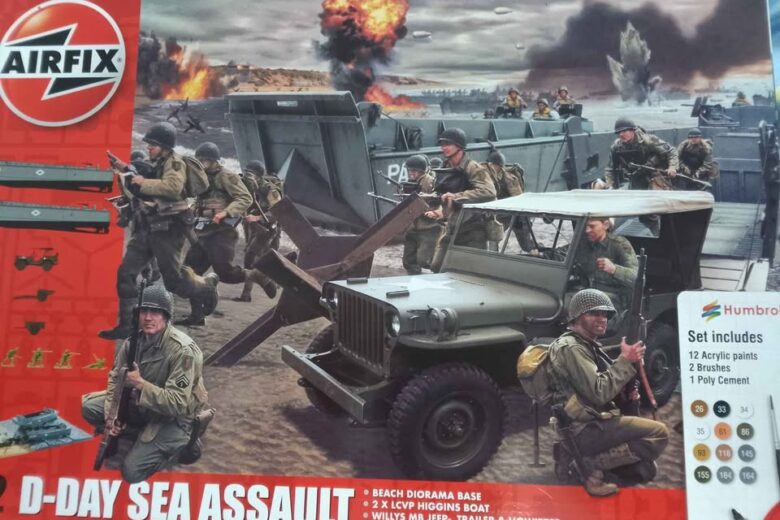
If you’ve ever built a plastic model, there’s a good chance Airfix was involved at some point—maybe even at the very beginning. For many hobbyists, Airfix wasn’t just a brand, it was their introduction to model making. Cheap enough to buy with pocket money and detailed enough to spark imagination, Airfix kits helped turn curiosity into a lifelong hobby.
Airfix was founded in the UK in the late 1930s, but it really took off in the post-war years when plastic injection molding became practical. What made Airfix special wasn’t just the models themselves, but the idea behind them. These kits were meant to be affordable, educational, and accessible. You didn’t need specialist tools or deep knowledge to get started—just patience, glue, and a bit of enthusiasm.
Throughout the 1950s and 60s, Airfix became a household name in Britain and beyond. Their catalogue focused heavily on aircraft, ships, tanks, and historical subjects, often tied closely to British aviation and military history. Spitfires, Hurricanes, Lancaster bombers, and classic Royal Navy ships became staples of bedroom shelves and school projects. For many builders, Airfix kits were the first time history felt hands-on and real.
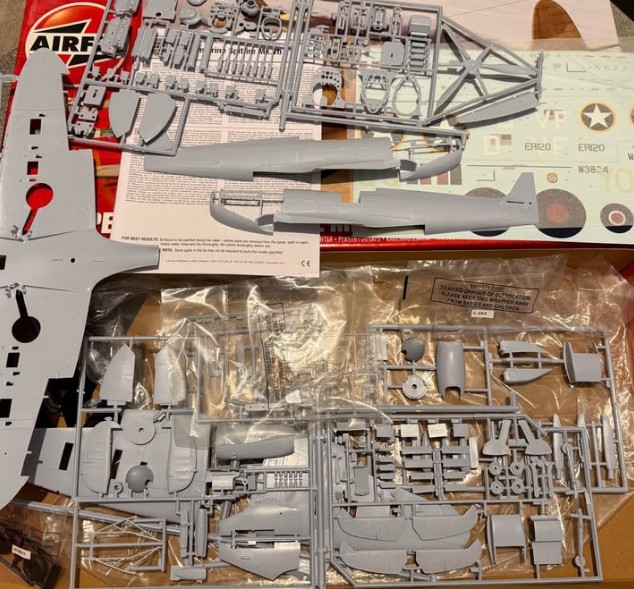
What really defined Airfix for generations was the 1/72 aircraft scale. This scale became almost synonymous with the brand, offering a perfect balance between size, detail, and affordability. You could build an entire air force without running out of space, and Airfix embraced this by releasing a huge range of subjects that mixed iconic designs with lesser-known aircraft.
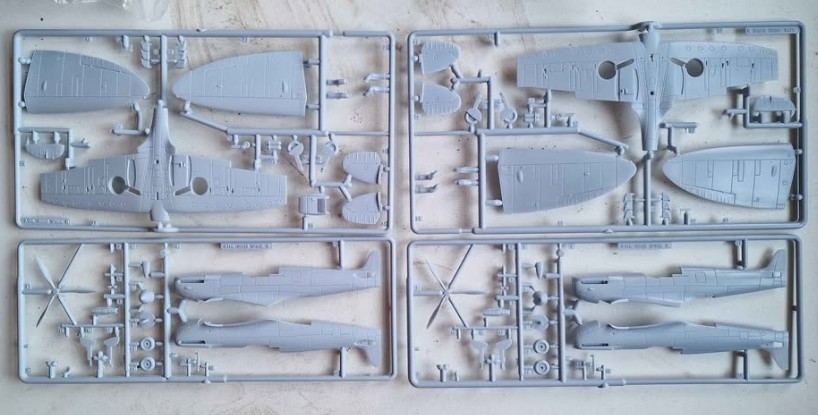
Of course, Airfix hasn’t always had a smooth ride. Over the decades, the brand went through financial struggles, ownership changes, and periods where kit quality lagged behind competitors. Some older molds became dated, with soft detail and fit issues that frustrated more experienced builders. For a time, Airfix felt like a nostalgic name rather than a cutting-edge manufacturer.
But that’s not where the story ends. In more recent years, Airfix has gone through a quiet but impressive revival. New toolings show sharp detail, improved fit, and modern engineering that can stand proudly alongside other major brands. While Airfix still keeps its beginner-friendly roots, newer releases clearly aim to satisfy serious hobbyists as well.
What makes Airfix unique today is how it balances heritage and accessibility. It still caters to newcomers with simple kits and starter sets, while also offering more detailed models for experienced builders. Few brands manage to serve both audiences without losing their identity, but Airfix has leaned into its history rather than running from it.
