
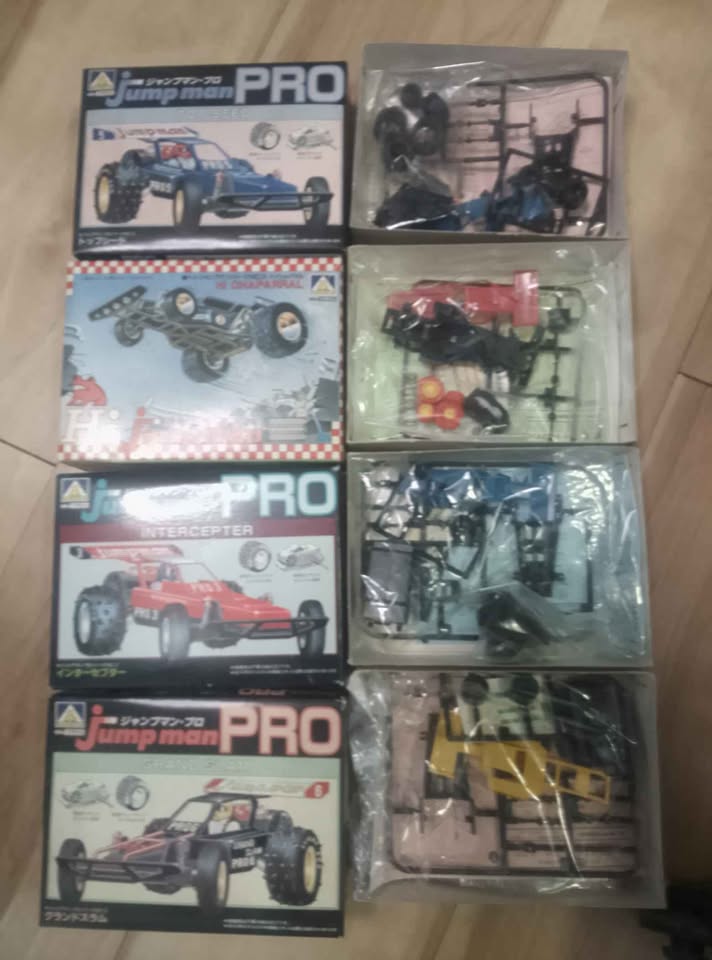
In the grand landscape of 1980s toy boxes, among the Transformers and He-Man figures, there sat a category of vehicle that was unassuming in size but monumental in play value. These were the small-scale, single battery-operated model cars, and for a generation of kids, they were an absolute obsession. Their popularity wasn’t an accident; it was the perfect alignment of timing, technology, and pure, unadulterated fun.
The magic began with their simplicity. Unlike the sophisticated radio-controlled cars of the era that required multiple batteries, complex antennas, and a much heftier price tag, these little machines ran on a single AA or AAA battery. You simply popped it in, switched it on, and placed the car on the floor. There were no controllers to fight over and no frequencies to manage. The car would tear off in a straight line, often with a thrilling roar from its tiny motor, or, in the case of the immensely popular bump-and-go mechanism, it would trundle along, happily bouncing off furniture and walls, changing direction with every collision. It was immediate, chaotic, and endlessly entertaining.
This simplicity also meant they were accessible. These cars were the entry-level supercars for every kid. They were affordable enough to be bought on a whim, found in nearly every drugstore and toy aisle. Brands like Taiyo, Nikko, and the iconic Stompers line became household names. A Stomper, for example, was a marvel of miniaturization, packing true four-wheel drive into a rugged truck that could crawl over pillows and blankets with surprising agility, all on the power of a single AA battery. It gave kids the feeling of off-road adventure without needing a backyard dirt track.
The 1980s were also a golden age for aspirational design. Popular culture was saturated with cool cars, from the sleek black television cars to the rugged off-roaders in every magazine. Toy manufacturers capitalized on this by producing die-cast and plastic bodies that mimicked real-world pickup trucks, four-wheel drives, and sports cars. A child could own a tiny replica of a Chevrolet Blazer or a Toyota pickup, vehicles their parents might dream about, and conquer the living room carpet with it. The cars were often surprisingly detailed, with realistic decals and vibrant color schemes that made them prized possessions.
Furthermore, the ecosystem around these cars encouraged collecting. Because they were small and affordable, it was feasible to own a fleet of them. You could have the dump truck for hauling LEGO bricks, the sporty dune buggy for speed, and the muscular monster truck for conquering the mountains of couch cushions. The introduction of playsets expanded the world, giving kids a dedicated landscape for their miniature vehicles to explore. It turned a simple toy into a sprawling, imaginative universe contained within the playroom.
Ultimately, the popularity of these tiny battery-operated cars boiled down to a simple equation: maximum fun for minimal cost and complexity. They were robust little machines that could survive the bumps and crashes of enthusiastic play. They put the power of motion directly into a child’s hands, fostering imagination and providing a tangible connection to the exciting world of automobiles. For a generation, the sound of a tiny motor whirring to life and the sight of a small truck bouncing off a baseboard is the sound and sight of childhood itself.
